The Supreme Art of War Is to Subdue the Enemy Without Fighting Meaning
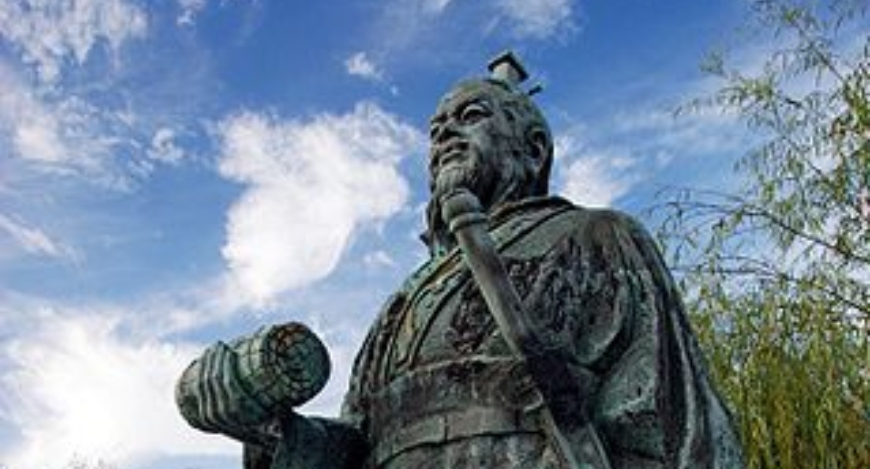
Was the Chinese philosopher and military strategist Sun Tzu onto something? John Kennedy thought so.
Here'southward a keen example of how you tin use Teach Unlike'due south iii-Footstep conversation method in a unit on the Cold War in U.s. history.
Footstep One: Quote and claim
Pick a theme, primary source and a quote aligned to the theme.

You're teaching the Common cold War and you recollect your students would be interested in the theme of fighting— when to practice information technology and how to practice it to make certain you lot achieve maximum benefit. Kennedy'due south
Cuban Missile Crisis oral communication is your target primary source considering it demonstrates the value of using words, not violence, to solve problems.
Ancient philosopher Sun Tzu has a provocative angle on this theme: "The supreme fine art of war is to subdue the enemy without fighting"
Now have the students option apart Sun Tzu'due south quote. Tell them to find the claim being fabricated.
Example Claim: "The best way to deal with your enemies is by non fighting them."
Stride Two: Counterclaim
Now have the students articulate the counterclaims which assert competing perspectives.
Example Counterclaim: "Attacking your enemy– trying to overwhelm him– is the best path towards victory."
Accept a conversation in form over the students' claims and counterclaims. This volition be a rich discussion. It seems very counter-intuitive to claim that you tin can really win over your enemies without fighting. Surely many students are nether the impression that directly confrontation with others is the but fashion to win. Lord's day Tzu is offer a different perspective here, one that must somehow comprise other means of getting your way. Encourage students to share their personal experiences during the conversation to back up their views.
Pace 3: Essential Question
After exploring the claims and counterclaims of the quote, dull downward and think back to the main source– Kennedy's Cuban Missile Crisis spoken communication. Share an essential question that draws out the theme.
Here's i: Is fighting the all-time way to get what yous desire?

- Is it accessible? Can students understand the question easily? Does it brand them desire to share personal experiences? √
- Is information technology provocative? Does the question force students to take a stand on something and provide show to support their position? √
- Is it complex? Can the question be answered by multiple perspectives? √
- Is it transferable? Can the question exist re-purposed to apply to different contexts? √
This question pulls students into an interesting conversation about the value of fighting and violence equally a solution to problems.
Having the conversation before sharing the primary source is a nifty way to engage the students' ideas on fighting so that they are emotionally invested in the primary source. Students now accept the tools to explore the historical importance of Kennedy's decision and connect all of information technology to their own personal experiences.
Other posts you may like:
"Your silence volition non protect you." Audre Lorde
"Right makes Might" Abraham Lincoln
—————————————————————–

Source: https://teachdifferent.com/2021/02/4664/
0 Response to "The Supreme Art of War Is to Subdue the Enemy Without Fighting Meaning"
Post a Comment